Every claim on this site traces to one of three things: the printed Supplement Facts panel, published human research, or a policy the seller has put in writing. If a claim cannot be traced to one of those, it does not go live.
How we rule on a claim
- Read the panel before anything else. Ingredients and amounts before any marketing copy.
- Convert every salt form. Arginine AKG 2:1 is roughly 57–60% arginine; citrulline malate roughly 56–60%; citrulline HCl about 85%. Free-compound amounts are what the body sees.
- Find the research intake. For each ingredient, the amount used in published human trials.
- Check the endpoint, not just the dose. An ingredient studied for exercise performance is not evidence for memory, at any dose. Most supplement reviews stop before this step.
- Assign a verdict. Supported, Partial, or Not supported — and publish it whether it flatters the product or not.
- Check the commercial terms. Pricing, guarantee wording, distributor identity, and the claims competing sellers make.
- Pharmacist review. Dose figures, interaction notes and safety wording are checked by a clinical pharmacist.
- Date it. Every page carries published and updated dates.
Sourcing standards
We cite primary sources — government health agencies, peer-reviewed indexes and regulator guidance. We do not cite other affiliate pages, and we never treat a seller's claim as evidence for itself. The sources we rely on most:
- NIH Office of Dietary Supplements — Niacin
- NIH ODS — supplements for exercise and performance
- MedlinePlus — L-arginine
- NCCIH — dietary and herbal supplements
- National Institute on Aging — memory loss and forgetfulness
- FDA — dietary supplements
- FTC — health products compliance guidance
- Alzheimer's Association — alternative treatments
On describing competing pages
Where we describe what another MemoHoney page publishes, we describe only what is verifiable on that page at the time of writing — the ingredient list it prints, the dosage figures it declines to print, the company name and address it gives. We draw no conclusion about anyone's intent. Where our reading of the label differs from theirs, we say so and show the label.
Corrections
If a dose figure, price or policy statement here is wrong, tell us through the contact page and we will correct it and note the change. Labels, pricing and guarantee terms change without notice, which is why every page tells you to confirm at checkout and read the panel on the bottle you receive.
What our reviews are not
They are not medical advice and not a substitute for speaking to a pharmacist or doctor about your own medication. They are not clinical trials of the finished product — no such trial exists for this formula, and we say so rather than implying otherwise. And they are not a substitute for a memory assessment: genuine memory difficulty belongs with a clinician.
Independence
We earn affiliate commission on qualifying purchases. No manufacturer reviews, approves or pays for our content, and no brand has editorial input. The critical findings published here — three unsupported claims, the absent memory ingredients, the salt-form arithmetic, the impossible tingle, the distributor discrepancy — are findings a brand-controlled page would have deleted.
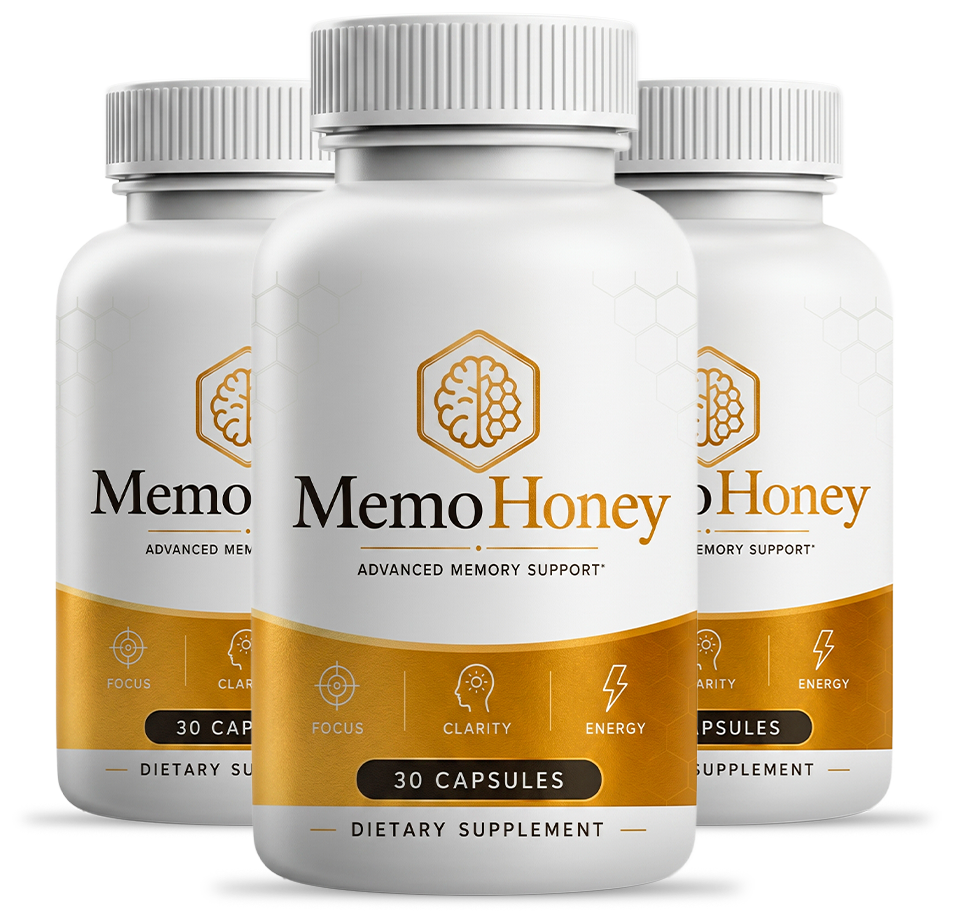
MemoHoney Official Website
per bottle on the 6-bottle pack · free US shipping on 3 and 6
Check Current Price 60-day guarantee · official checkout only